

The Allahabad High Court fined a Noida builder ₹2.5 lakh after a homebuyer was forced into litigation for nearly 13 years over delayed possession. The court also upheld 24% annual interest on the delayed possession, offering a key relief for homebuyers facing prolonged builder disputes.
The Allahabad High Court has imposed a ₹2.5 lakh cost on a builder after a Noida homebuyer was forced into multiple rounds of litigation for nearly 13 years over delayed possession of a flat. The court also upheld 24% annual interest payable to the homebuyer for the delay, LiveLaw reported.
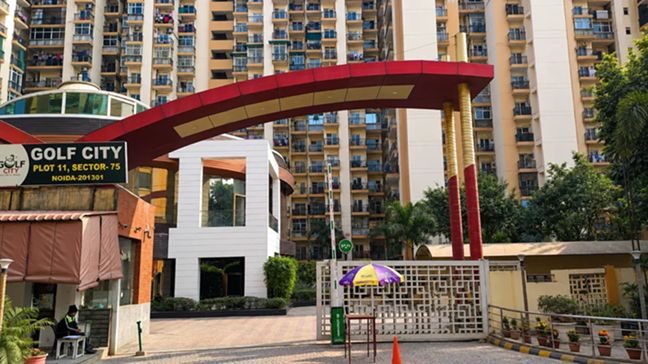
The case involved M/s Aims Max Gardenia Developers Pvt. Ltd. and homebuyer Pratibha Gupta. The buyer had paid ₹35.90 lakh for a flat in the developer’s Golf City project in Sector 75, Noida. Under an agreement signed in April 2011, possession was promised by June 2013. However, the builder failed to hand over the flat as promised.
Builder failed to comply with RERA order
The homebuyer approached the Real Estate Regulatory Authority in Gautam Budh Nagar. In July 2018, the authority directed the builder to hand over possession and pay interest at 24% per annum from 30 June 2013.
The builder did not comply with the order. Following execution proceedings, a recovery certificate of ₹41.21 lakh was issued in March 2019.
The builder challenged the recovery proceedings before the Uttar Pradesh Real Estate Appellate Tribunal and subsequently approached the Allahabad High Court. The tribunal dismissed the builder’s appeal for want of prosecution. The appeal had already been dismissed twice on the same ground before being restored.
The homebuyer later approached the High Court seeking enforcement of the recovery certificate and also initiated contempt proceedings when the order remained unenforced. After the builder’s bank accounts were attached, it deposited ₹67.78 lakh in December 2022 and filed the present appeal.
Court upholds 24% interest on delayed possession
The Allahabad High Court rejected the builder’s reliance on disruptions caused by the Covid-19 pandemic, holding that the developer had failed to demonstrate reasonable diligence in fulfilling its obligations.