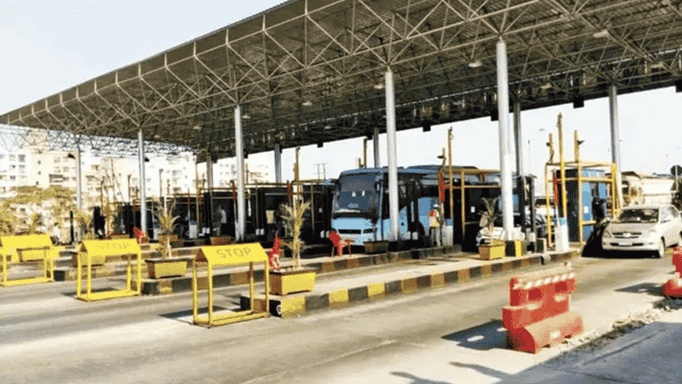


Higher Travel Cost Across NCR Routes
NHAI plans to increase toll charges by around 5% on major highways across Delhi-NCR from April 1, 2026. This increase is expected to impact millions of daily commuters travelling between Delhi, Noida, Ghaziabad, Meerut, and Hapur. These corridors witness heavy traffic movement every day.
Key Expressways Under Toll Revision
The revised toll charges will be implemented on major highways, including:
- The Delhi-Meerut Expressway
- Eastern Peripheral Expressway (EPE)
- National Highway 9 (NH-9)
These routes serve as crucial links between Delhi-NCR and western Uttar Pradesh and handle a significant volume of daily vehicular traffic.
Effective from Midnight of March 31
The updated toll rates will come into force from midnight on March 31, marking the beginning of the 2026–27 financial year. According to NHAI Project Director Arvind Kumar, toll fees are likely to go up by approximately 5%.
At present, car users pay around Rs 170 between Sarai Kale Khan and Meerut on the Delhi-Meerut Expressway. They pay about Rs 175 on NH-9. Light commercial vehicles are charged between Rs 275 and Rs 280. Meanwhile, buses and trucks pay between Rs 580 and Rs 590. Following the revision, car users may need to pay an additional Rs 8 to Rs 10 per trip.
Commuters and Businesses to Impact
The increase in toll charges will directly affect daily commuters who depend on these expressways for work and education-related travel. Transport and logistics companies are also likely to see higher operating expenses due to increased toll payments.
FASTag Annual Pass Price Revised
The cost of the FASTag annual pass has been increased from Rs 3,000 to Rs 3,075. This revision has been made by the National Highways Authority of India.
Despite the revision, the pass continues to provide value for frequent users. It eliminates repeated recharges for a full year or 200 toll crossings.
Plan for Distance-Based Tolling System
The government is working towards improving toll collection systems to make them more efficient and convenient.
Union Transport Minister Nitin Gadkari has proposed a pay-per-use tolling model. Under this system, users will pay based on the actual distance travelled instead of a fixed fee.